At some point in our lives, we all must have longed for a personal assistant. Someone who can share the burden, if not, at least make our work a little easier. Well, a personal assistant is no longer a luxury only big businessmen can have, with smart AL technology, people like me and you can too have an assistant who will be available to serve us at a touch on the phone.
Yes, we are talking about virtual assistants. They make our life easy, remind us of important work and make the information desired by us available within a moment. But which one is best? We are surrounded by devices and each works well separately but what would be the results if we were to compare them?
Puzzled yet? Don’t worry, I’m here to answer all these questions for you. Make sure you reach the end of the article to know everything about each of these virtual assistants. Let’s begin, shall we?
Google Assistant
Google’s virtual assistant has come a long way from the year it was launched, back in 2016. It has been developed to grow compatibility with a lot more devices like fridges, speakers, and cars. You can access Google assistant through speech and text both and automate a lot of your work without any hassle.
Features
- Works well with smart home technology.
- Helps in surfing for information online, booking tables at a restaurant, flight tickets, play, and musical tickets etc.
- Open apps on commands hands-free.
- Sets reminders and timers.
- Plays and controls music.
Pros
- Reads between the lines and quite intelligent in showing results for direct commands.
- Answers every command.
- Recognises voices well.
- The sound quality is impeccable.
Cons
- Reserves some of the impressive features to Google home only.
- Takes some time to catch the voice and at times doesn’t streamline with its hands-free purpose.
- Fails to answer follow up questions.
Siri
Siri is a reliable option for iOS users and performs almost all the tasks that the other virtual assistants do. It is the first-ever launched virtual assistance and works efficiently to date given it has undergone many updates to keep it upgraded. From translation, reading and searching to changing phone settings, picking entertainment options and connecting with your contacts, Siri can do it all seamlessly.
Features
- Can send messages, open camera, play music, and follow your commands hands-free.
- Call it facetime someone.
- Search for information and check the weather.
- Perform conversions.
- Calculate, adjust music volumes, etc.
Pros
- A solid choice for Apple product users.
- Easy to use.
- Easy to set up.
- Availability of non-English language options.
- Is quite entertaining than the others.
Cons
- Doesn’t understand accents and sticks to only Ios devices.
- Doesn’t work well with fast speech.
- Fails to answer follow up questions.
Cortana
Launched with Windows 10, Cortana is the virtual personal assistant for all Microsoft users. Cortana has undergone many advancements and now is capable of giving a strong rivalry to Siri and Google Assistant, which are most widely celebrated.
Features
- Setting alarms and reminders(time, location, and people-based).
- Managing and creating lists.
- Search for information and surf the internet.
- Opens apps and plays music.
- Composes emails, multitasks, and entertains.
Pros
- Available on most devices and has huge compatibility.
- Fast response.
- Understands accents
- One can turn the features on/off as per their requirements.
Cons
- Not supported by Philips Hue and requires a third-party app to work.
- Lacks in performing more advanced tasks.
- Setting up Cortana for initial access is a troubling task.
- Voice recognition is not too advanced when the room is quiet.
Alexa
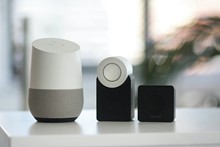
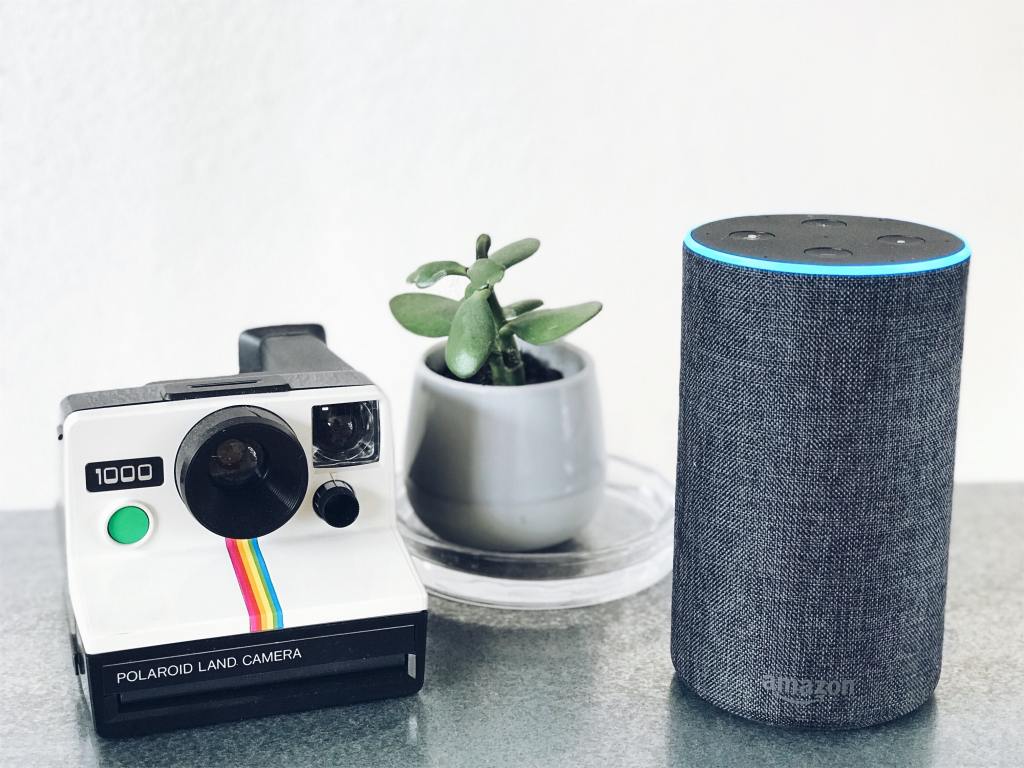
Alexa was launched to accompany Amazon Echo devices as a voice controlling character, like a personal assistant, but it’s not limited to this specific device anymore. Today Alexa is available for any third-party apps and also a few cars. Let’s have a look at its splendid features:
Features
- Can tell you the match scores, weather report, and news.
- Play music in any language.
- Offers control over smart home devices.
- Set alarms and reminders.
- Entertain you with tricks and answers to silly questions.
Pros
- One of the most customizable personal assistants.
- Works great in conversation and providing information.
- Performs direct commands with ease and accuracy.
Cons
- Struggles with chained commands
- There aren’t many devices that are compatible with Alexa
- Takes time to recognise the voice when there is even a softer noise in the background.
Bixby
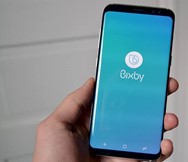
Bixby is Samsung’s attempt to launch an equally efficient virtual assistant for its users. Though it still has to be popularised, it’s notable that Bixby works quite well with all the Samsung devices including smart home ones. Still being experimented with, it’s a promising option for Samsung users and they are going to witness some remarkable changes in this Al technology.
Features
- Can deliver information about weather and whatever is searched.
- Sets reminders and alarms.
- Could be personalised with voice recognition of different individuals in the family.
- Can give personalised answers as well depending upon who is asking the questions.
- Can change phone setting, help you with shopping and find you a good restaurant.
Pros
- Could be accessed with the help of a hardware button.
- Has many fancy features.
- Is easy to set up and use.
Cons
- Struggles with direct commands that are given without sufficient context
- Quite expensive investments to be made when used with smart home devices.
- Compatible with very few devices.
Comparison Table
| Google Assistant | Siri | Cortana | Alexa | Bixby | |
| Launch year | 2016 | 2011 | 2014 | 2014 | 2017 |
| Work best with | Google Home, Google apps, and Google devices | IOS devices | Microsoft devices | Amazon devices | Samsung devices |
| Connection compatibility | Both wifi and mobile data | wifi and mobile data | Both wifi and mobile data | Only wifi | Both wifi and mobile data |
| Accent recognition | Excellent | Not much | Excellent | Excellent | Not much |
| Installation | Easy | Easy | Difficult | Difficult |
In Conclusion
The choice of virtual assistant fairly depends upon the devices you own. They work quite well with their parent devices but fail to foster good results with others. Since the AL technology is still in its infancy and has a long way to go, smartness lies in picking the hardware and using the Virtual assistant it’s equipped with rather than going the other way.


 Digiteks
Leave a comment